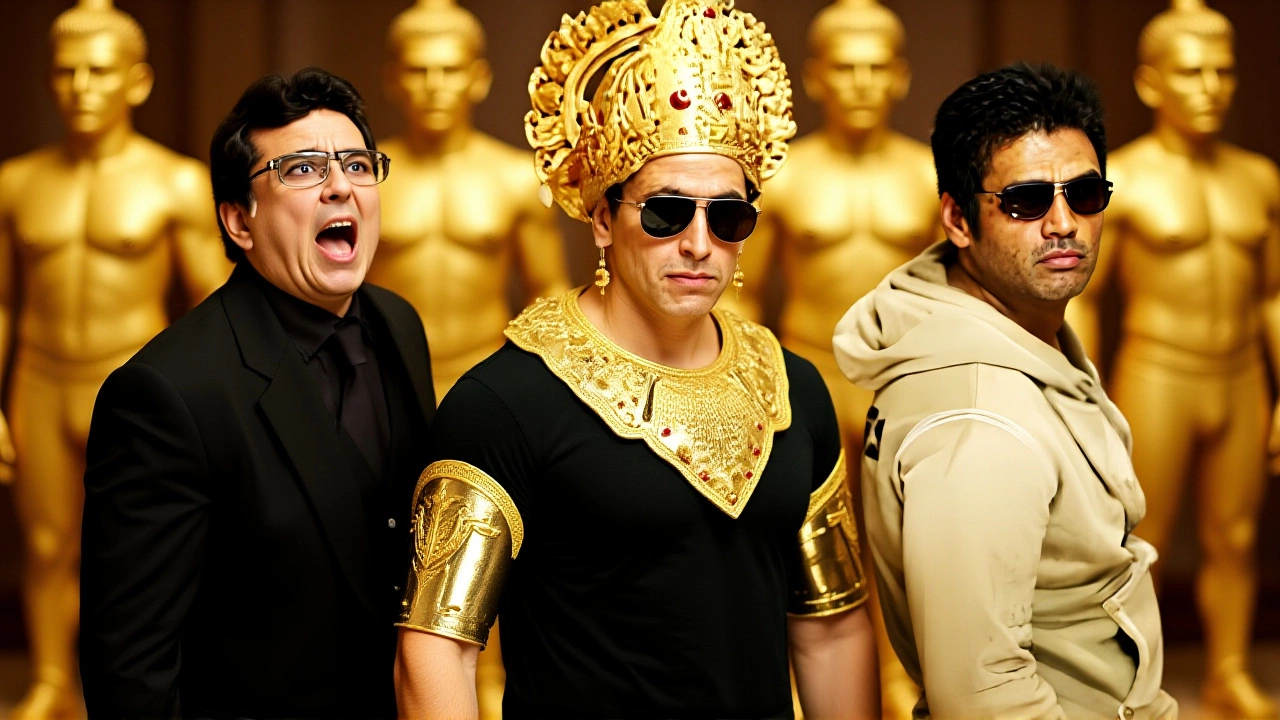
Twenty-five years is a long time in the fast-moving world of cinema, but for one specific trio of actors, it’s barely been enough time to catch their breath. When Hera Pheri () hit theaters in March 2000, no one expected it to become the comedic bedrock of modern Hindi cinema. Yet here we are, in March 2025, celebrating its silver jubilee with the same fervor as if it had dropped last week. The film didn’t just entertain; it rewired how audiences laughed.
Here’s the thing about cult classics: they don’t always roar when they arrive. They simmer. They build. And then, decades later, you realize you can’t quote a single line without someone else finishing it for you. "Shyam!" isn’t just a name anymore; it’s a cultural reflex.
The Accidental Blueprint for Chaos
The premise was deceptively simple. Two desperate tenants and a scheming landlord stumble upon a ransom call via a crossed telephone connection. Instead of turning it over to the police, they decide to claim the money themselves. It sounds like a sketch from a late-night comedy show, but director Priyadarshan executed it with surgical precision.
What made it work wasn’t just the plot—it was the chemistry. You have Akshay Kumar playing Raju, the good-hearted but perpetually unlucky friend. Then there’s Sunil Shetty as Ghanshyam "Shyam," the arrogant muscle who thinks he’s smarter than everyone else. And anchoring them both is Paresh Rawal as Baburao Ganpatrao Apte, the cunning landlord whose greed drives the entire narrative.
Turns out, this dynamic wasn’t planned. It was accidental magic. The script, written by Abhijat Joshi, relied heavily on improvisation and timing. The result? A film where every joke lands because the characters feel real, flawed, and hilariously human.
Why It Still Resonates in 2025
It’s easy to look back at Hera Pheri through rose-tinted glasses, but let’s be clear: it wasn’t an instant blockbuster. In fact, it struggled initially against bigger releases. But word of mouth did what marketing budgets couldn’t. People dragged their friends to see it. They quoted lines in offices, colleges, and living rooms.
Today, nearly a quarter-century later, the film holds a unique position in Indian pop culture. Why? Because it captured a specific kind of urban anxiety—the fear of eviction, the pressure of debt, the desperation that makes ordinary people do extraordinary (and illegal) things. That emotional core remains relevant. Rent prices haven’t gone down. Dreams haven’t gotten cheaper.
Interestingly, the film’s soundtrack by Anu Malik also played a crucial role. Songs like "Dum Maro Dum" remixes and the iconic "Pyaar Ki Chhatni" became anthems. Even today, hearing those notes triggers nostalgia for millions.
The Sequel: Phir Hera Pheri (2006)
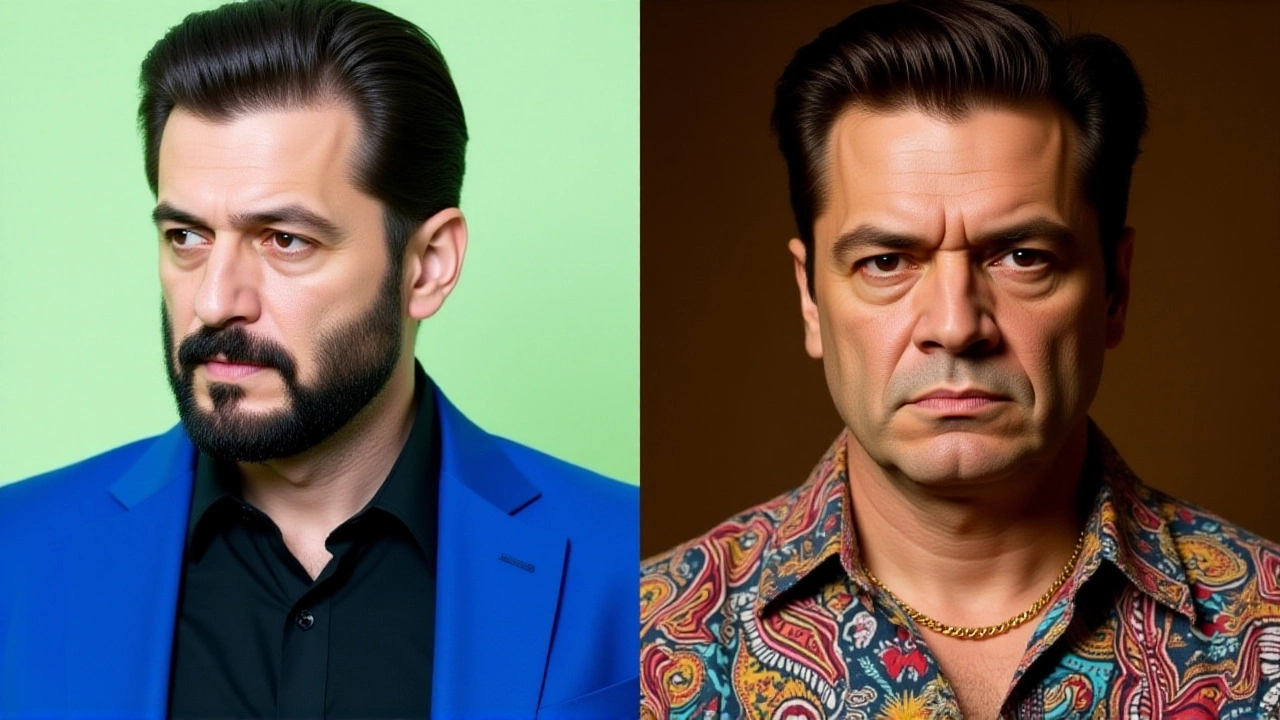
Naturally, success breeds imitation—or in this case, continuation. Six years later, the franchise returned with Phir Hera Pheri (). Directed by Neeraj Vora, the sequel brought back the original trio along with new faces like Bipasha Basu and Rimi Sen.
While it was a commercial success, purists argue it lacked the raw spontaneity of the first film. The humor felt more structured, less chaotic. Still, it introduced memorable supporting characters, including Johnny Lever as Munnabhai and Rajpal Yadav as Pappu, who added their own flavor to the mix.
The cast list reads like a who’s who of character actors: Sharat Saxena, Manoj Joshi, Milind Gunaji, Razak Khan, Ravi Kishen, and Tiku Talsania all contributed to the ensemble’s richness. Even Diya Mirza made a special appearance in the song sequence, adding a splash of glamour to the gritty comedy.
A Legacy Beyond Laughter
So, what does the silver jubilee tell us? It tells us that great storytelling transcends trends. While other films fade into obscurity, Hera Pheri has only grown stronger. Its influence can be seen in countless comedies that followed, many trying—and often failing—to replicate its formula.
The twist is that the film’s longevity isn’t just about laughs. It’s about representation. For the first time, mainstream Bollywood gave screen space to characters who weren’t heroes or villains in the traditional sense. They were survivors. Flawed, funny, and fiercely loyal to each other.
As we mark this milestone, it’s worth remembering that Hera Pheri wasn’t just a movie. It was a movement. A reminder that sometimes, the best stories come from the most unlikely places—and the most unexpected connections.
Frequently Asked Questions
When was Hera Pheri released?
The original Hera Pheri was released on March 10, 2000. It marked the beginning of a new era in Hindi comedy cinema, blending slapstick with sharp social commentary.
Who directed the Hera Pheri series?
The first film was directed by Priyadarshan, known for his mastery of Malayalam and Tamil comedies before moving to Bollywood. The sequel, Phir Hera Pheri (2006), was directed by Neeraj Vora.
Why is Hera Pheri considered a cult classic?
Its unique blend of relatable characters, improvised dialogue, and perfect comic timing created a timeless appeal. Unlike typical star-driven films, it focused on ensemble chemistry, making it resonate deeply with everyday audiences.
Are there plans for a third installment?
As of March 2025, no official announcement has been made regarding a third film. However, given the recent resurgence of interest during the silver jubilee celebrations, fans remain hopeful that the producers might revisit the franchise.
How did the actors prepare for their roles?
Much of the humor came from improvisation. Akshay Kumar, Sunil Shetty, and Paresh Rawal spent significant time together off-set, building camaraderie that translated naturally on camera. This organic approach helped create the authentic bond between their characters.