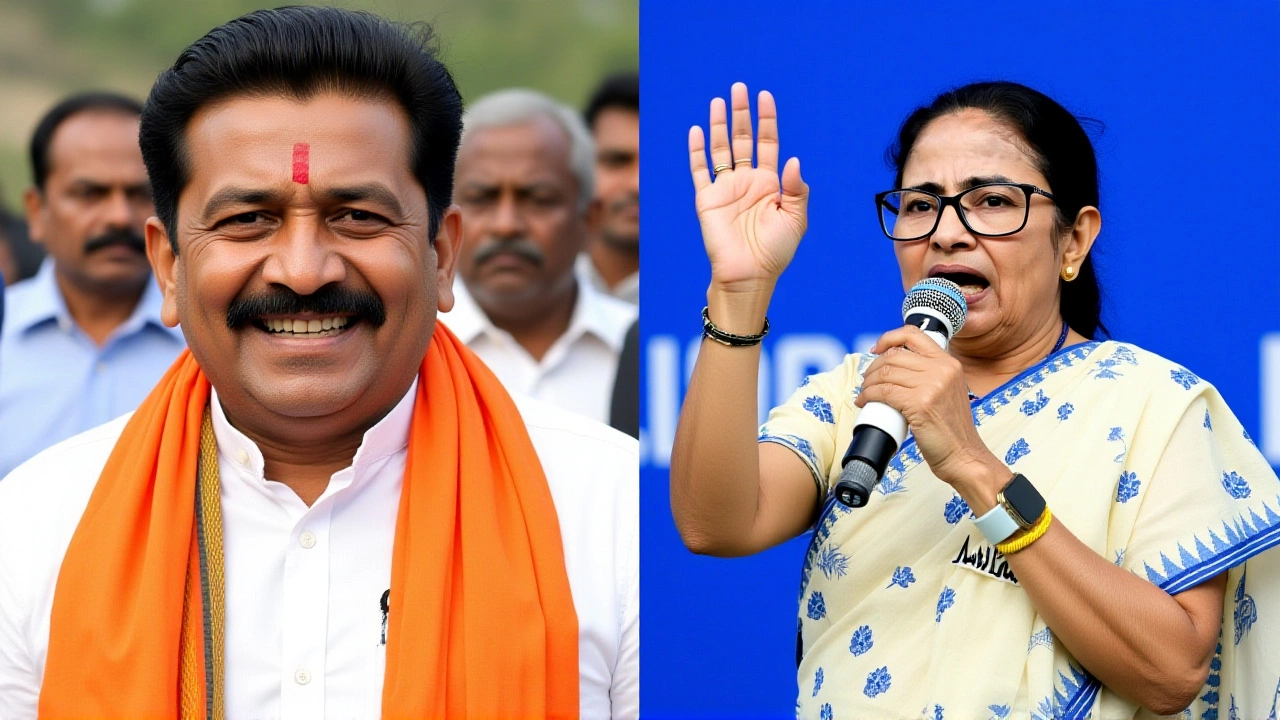
It’s over. The era of Mamata Banerjee, Chief Minister of All India Trinamool Congress has come to a definitive end. In a seismic shift for Indian politics, the Bharatiya Janata Party (BJP) has swept the West Bengal Legislative Assembly elections, securing 207 seats out of 294. This isn’t just a loss; it’s a historic dismantling of a political dynasty that ruled the state for 15 years.
The results were announced on May 4, 2026, following two phases of voting on April 23 and April 29. With a staggering voter turnout of approximately 94%—the highest ever recorded for any parliamentary or state assembly election in India—the electorate didn't just participate; they delivered a verdict. The AITC was reduced to 80 seats, while smaller parties like the Indian National Congress and CPI(M) made surprise comebacks, winning 2 and 1 seats respectively.
A Record-Breaking Turnout and Political Upheaval
Here’s the thing about this election: the numbers are almost too big to ignore. When nearly every eligible voter steps into the booth, you know something significant is at stake. The 94% turnout surpassed even the high-energy polls of 2011, when the AITC first took power from the Left Front. It suggests a populace deeply engaged, perhaps exhausted by the status quo, and ready for change.
The BJP’s dominance wasn’t just broad; it was deep. They didn’t just win urban centers; they carved out victories in rural strongholds previously considered untouchable. The official tally from the Election Commission of India shows a clear mandate. Meanwhile, the AITC’s collapse was comprehensive. Even the party’s traditional allies found themselves scrambling as the political landscape reshaped overnight.
Interestingly, the return of the Communist Party of India (Marxist) and the Indian National Congress to the assembly signals a fragmented opposition. While the BJP forms the government, the presence of these older parties complicates the narrative of a simple two-party race. It’s a messy, complex reality that mirrors the diversity of Bengali voters.
The Personal Stakes: Mamata vs. Suvendu
But let’s talk about the human element. For Mamata Banerjee, this wasn’t just a policy debate; it was personal. She contested from her stronghold of Nandigram, a constituency symbolic of her rise to power. Her opponent? Suvendu Adhikari, a senior leader of the Bharatiya Janata Party.
Adhikari’s victory in Nandigram was the cherry on top of the BJP’s cake. It signaled that even the most fortified bastions of the TMC had crumbled. After the results, Banerjee held a press conference where she famously stated that the Trinamool Congress "didn't lose" West Bengal—a claim that rang hollow against the backdrop of 207 lost seats. Her refusal to fully concede the ideological defeat adds a layer of drama to the transition of power.
The twist is that this wasn’t an easy path for Adhikari. He had to overcome years of entrenched local networks and emotional loyalty to Banerjee. His win represents a new face of BJP politics in the East—one that blends national ideology with localized appeal.
Controversy in Falta: The Repoll That Shocked Everyone
While the main results settled on May 4, one seat remained in limbo. Falta constituency became the center of a storm. Allegations surfaced that ruling party goons had tampered with Electronic Voting Machines (EVMs), allegedly placing tapes over the BJP candidate’s name to prevent votes. The details are still being investigated, but the impact was immediate.
The Election Commission ordered a full repoll. On May 21, 2026, voters returned to the booths in Falta. The result? A landslide. The BJP candidate won by a margin exceeding 100,000 votes—the highest victory margin in the entire state. It was a stark message: when given a fair chance, the tide turned overwhelmingly against the incumbents. This incident, while isolated, cast a long shadow over the integrity of the previous administration’s local machinery.
What Does This Mean for India?
This isn’t just about West Bengal. It’s about the trajectory of Indian federalism. The BJP’s victory here completes its consolidation of power across key states, challenging the notion that regional identities can resist national political trends. For the AITC, it’s a moment of existential reckoning. How do you rebuild a party that has lost its core identity and its leadership’s personal touchstone?
Experts suggest that the next five years will be critical. The new government faces the challenge of governing a diverse, often volatile state. The opposition, though fragmented, will likely unite around specific issues to hold the BJP accountable. The re-entry of the CPI(M) and INC means the left and center-left voices aren’t gone—they’re just quieter for now.
Frequently Asked Questions
Who won the 2026 West Bengal Assembly Elections?
The Bharatiya Janata Party (BJP) won the election decisively, securing 207 out of 294 seats. This marks a historic shift as the incumbent All India Trinamool Congress (AITC) was reduced to 80 seats, ending their 15-year rule in the state.
Did Mamata Banerjee win her own seat?
No, Mamata Banerjee lost her constituency of Nandigram. She was defeated by Suvendu Adhikari of the BJP. This personal defeat symbolized the broader collapse of her party’s influence across the state.
Why was there a repoll in Falta constituency?
A repoll was ordered in Falta due to allegations of EVM tampering. Reports claimed that agents of the ruling party had placed tapes over the BJP candidate’s name on the voting machines. The subsequent repoll on May 21, 2026, resulted in a massive victory for the BJP candidate with a margin over 100,000 votes.
What was the voter turnout in the 2026 election?
The election saw a record-breaking voter turnout of approximately 94%. This is the highest turnout ever recorded for any general election to a Parliament or State Legislative Assembly in India, surpassing even the high participation rates seen in the 2011 West Bengal elections.
Which other parties gained seats in the assembly?
Besides the BJP and AITC, several smaller parties returned to the assembly. The Indian National Congress won 2 seats, the Communist Party of India (Marxist) won 1 seat, and the newly formed Aam Janata Unnayan Party secured 2 seats. The All India Secular Front retained its single seat.